Public health research on what happens to people on dating apps, who gets hurt the most, and what actually protects them.
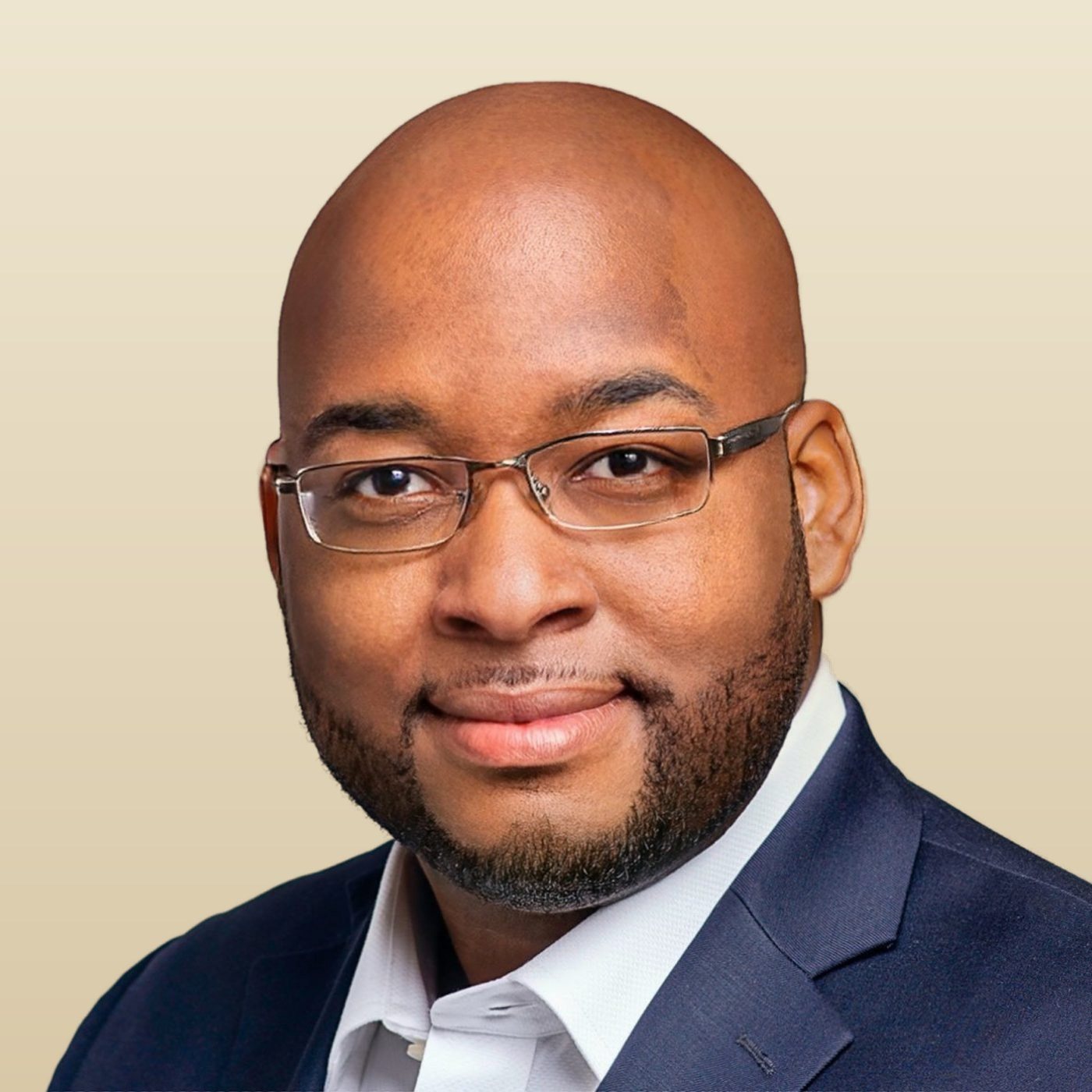
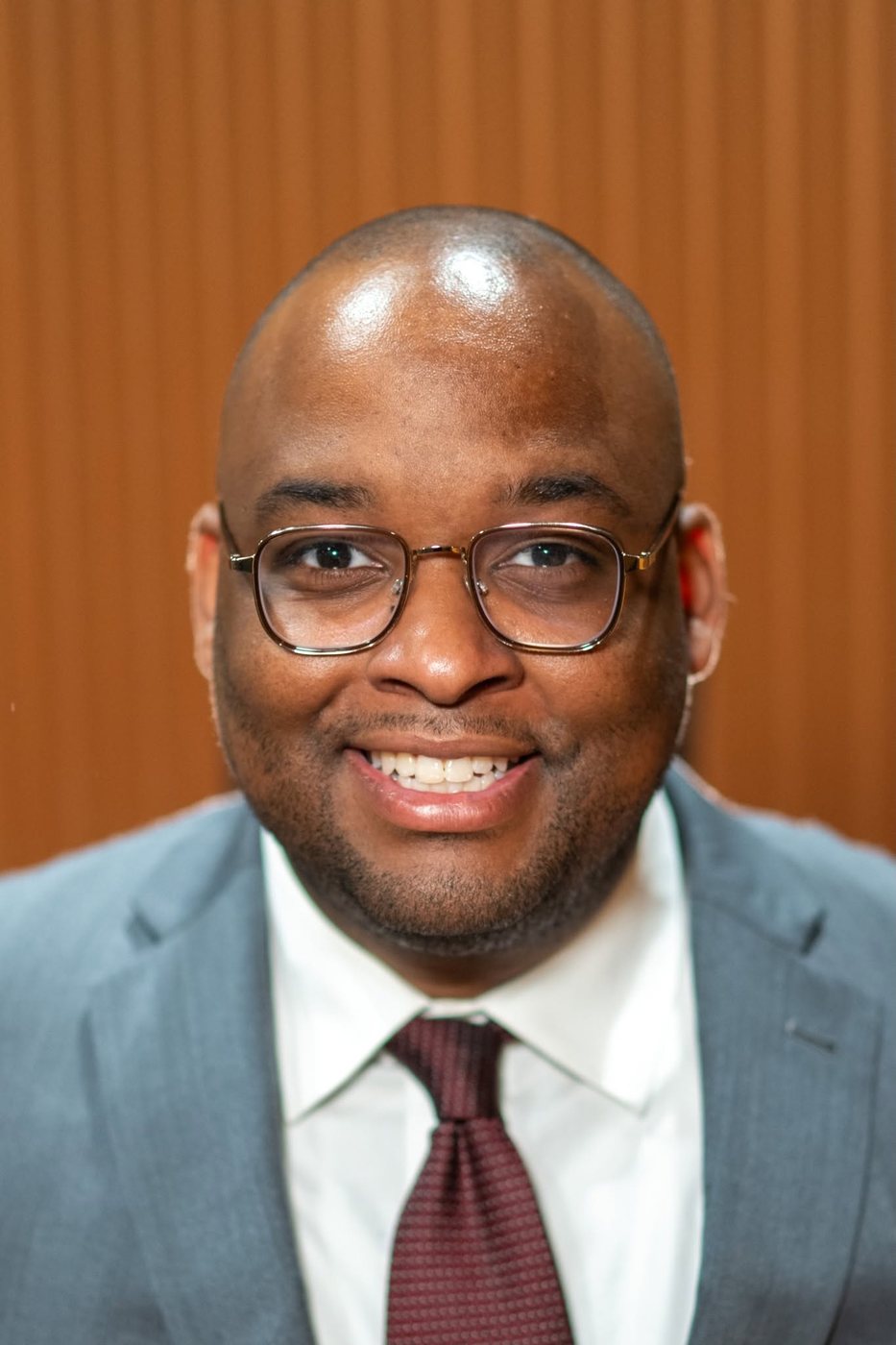
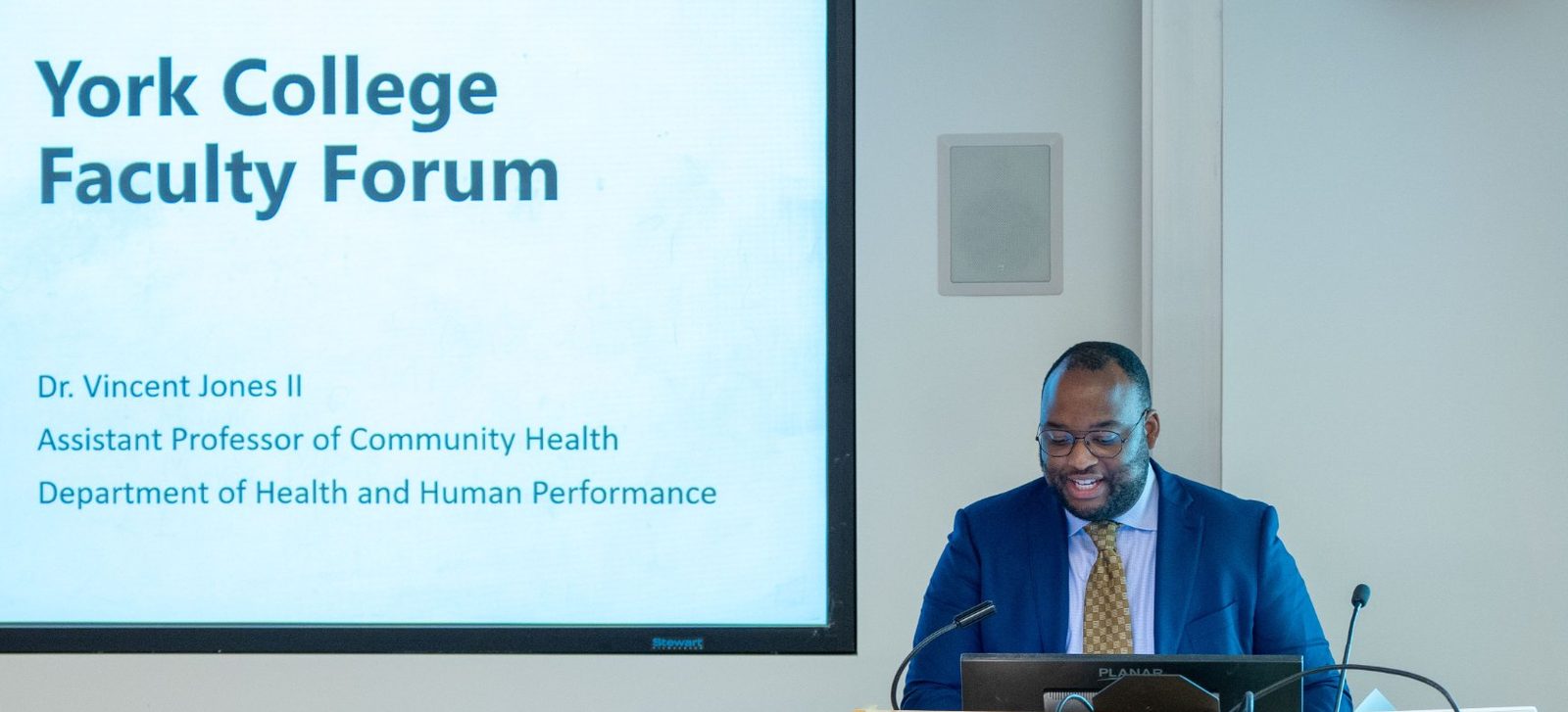
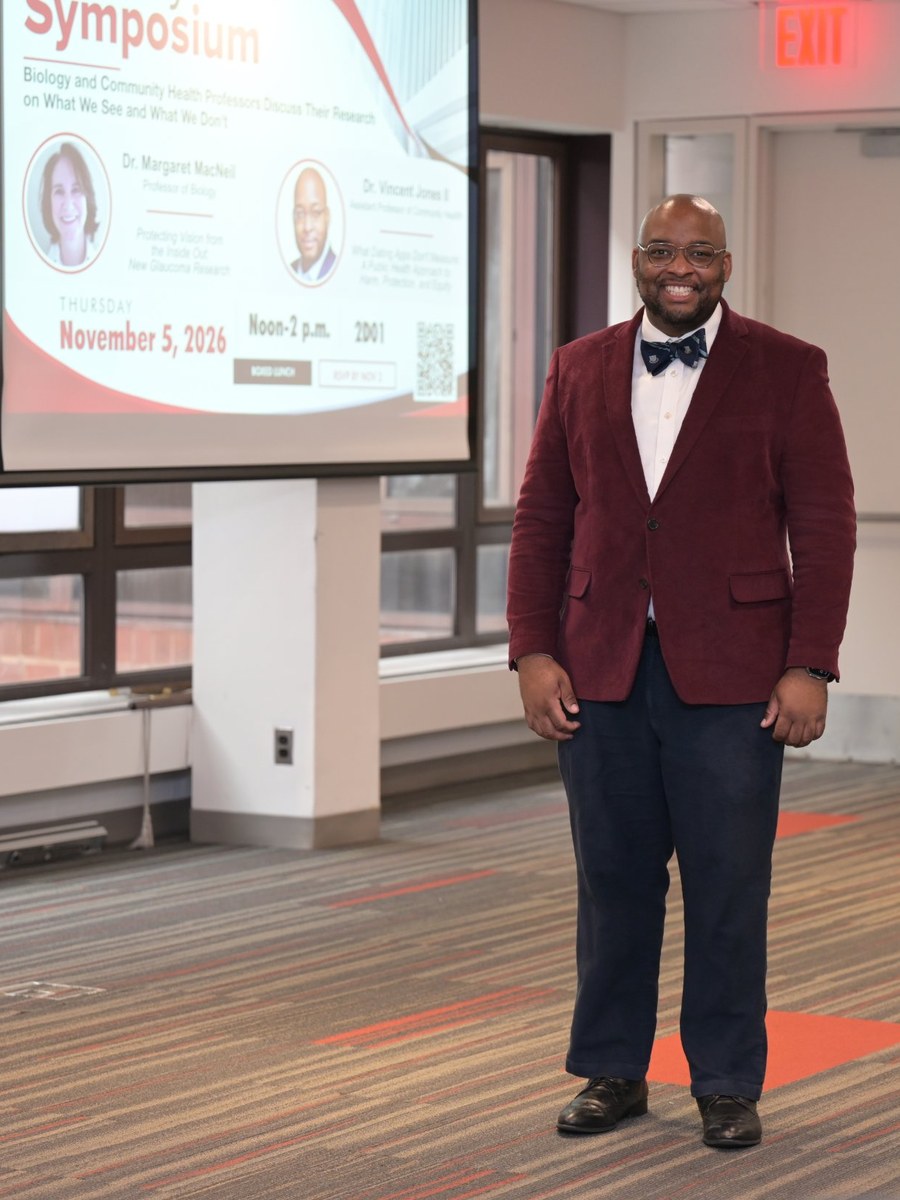
Dr. Vincent Jones II is an Assistant Professor of Community Health and Director of the Health Promotion Center at York College, The City University of New York. His research sits at the intersection of e-health, digital environments, and public health equity. He studies what happens to people on dating apps: how often harm occurs, how much it hurts, who is affected most, and what helps people respond.
With colleagues at York and Lehman, he developed two validated instruments for this work: the Dating-App Interpersonal Harm Scale, which measures six kinds of harm and how much each one hurts, and the Dating-App Harm Response Self-Efficacy Scale, which measures confidence in responding. His current projects extend that work to platform safety policy, to the people least able to ask for help, and to harm from AI agents. Alongside the research, he writes for general audiences about dating culture, digital safety, and queer life. In April 2026 he was an invited panelist at the United Nations, at a side event of the 59th Session of the Commission on Population and Development, on how online dating is reshaping family formation.
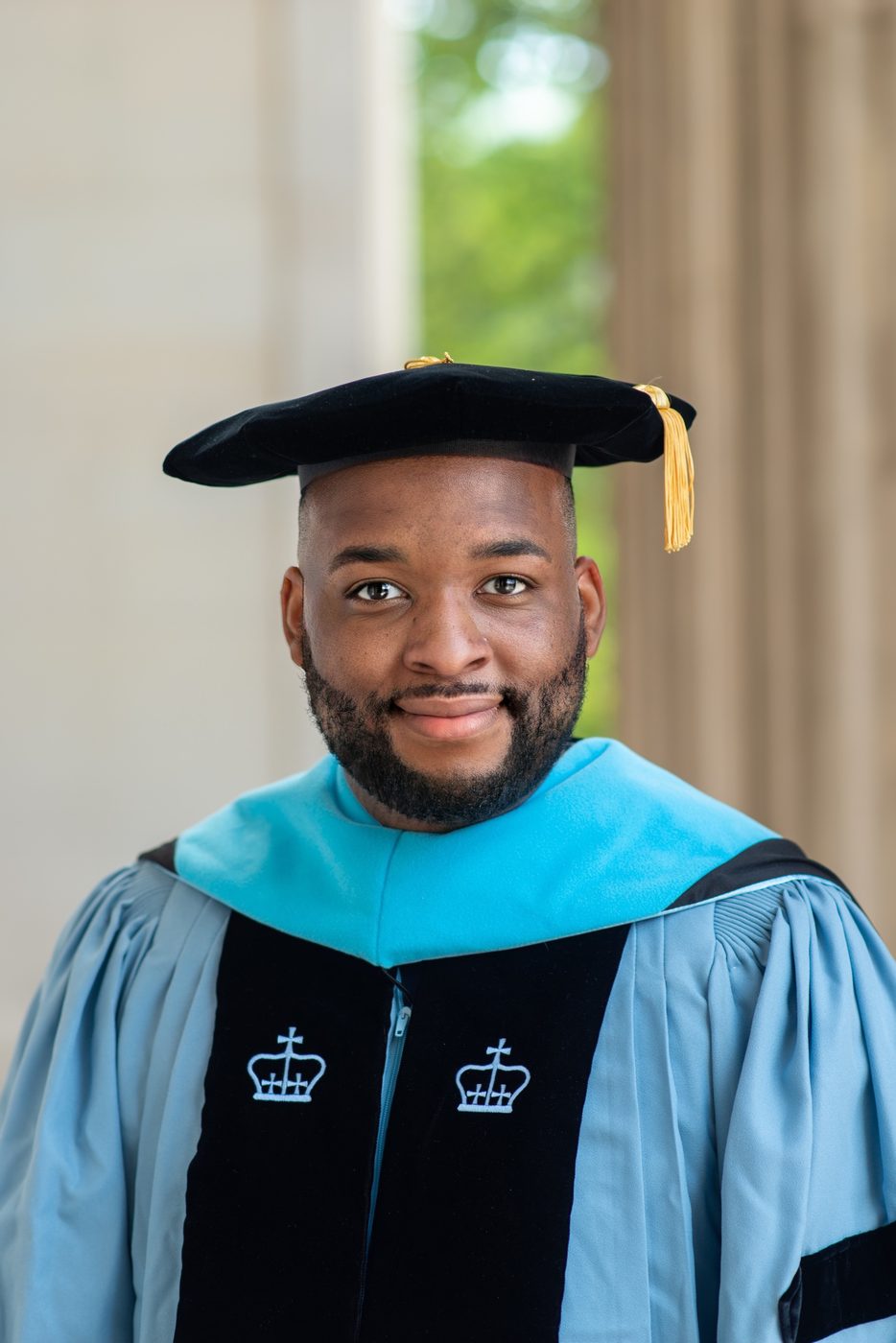
His training spans the areas the work draws on together: a bachelor’s in sociology and anthropology, a master’s in education policy, a doctorate in health promotion and education, and credentialing as a Master Certified Health Education Specialist. That combination is why the research moves between social context, measurement, platform policy, and what can actually be taught in a classroom.
Dr. Jones leads a research program on what happens to people on dating apps, who gets hurt most, and what actually protects them. With colleagues at York College and Lehman College, he developed two instruments: the Dating-App Interpersonal Harm Scale (DIHS-6D), which asks about six kinds of harm, both how often each happens and how much it hurts, and the Dating-App Harm Response Self-Efficacy Scale (DAHRSES), which measures confidence in responding.
The most common harms turned out to be the least distressing, and the rarest the most. The harms that hurt most, pressure after saying no and being tracked or found offline, are the ones blocking and reporting reach least. Harm concentrated among women, people of color, sexual and gender minorities, and people who conceal their app use. Confidence in responding predicted protective action over and above how much harm a person had experienced, which means part of the answer can be taught.
With Dr. Thitima Srivatanakul, I am proposing a study of how well people recognize manipulation by artificial intelligence (AI) scammer agents on dating apps, and whether an AI safety coach helps more than the standard warnings platforms show today. The project would extend my validated dating app harm and self-efficacy scales to AI agents and release an open benchmark comparing human judgment with commercial safety filters.
Five manuscripts examining digital harm, queer space, platform safety, and measurement science in dating applications.
When straight users flood queer dating spaces like Grindr, they bring mainstream norms with them and erode what made those spaces safe in the first place. We call this digital hetrification.
Read more → 02We tracked safety features across 24 dating platforms over a year. Not one protects users after they report abuse, and most charge extra for basic safety tools.
Read more → 03The harms that happen most often on dating apps are not the ones that hurt people the most. We call this the frequency to distress dissociation, and it means platforms are measuring the wrong things.
Read more → 04The first validated tool designed to measure what actually happens to people on dating apps, covering six domains of harm from harassment to stalking. No such instrument existed before.
Read more → 05A tool that measures whether people believe they can handle harmful situations on dating apps. Those who do are more likely to take protective action, which means these skills can be taught.
Read more →Dr. Jones believes every student deserves an equitable education. His students at York College range from teenagers to septuagenarians, and many are the first in their families to attend college, immigrants, or working adults. He designs his courses to assume nothing about what students already know, to make expectations explicit, and to give every student more than one way to show what they have learned. In his view, rigor and access are not at odds: the most demanding courses he teaches are the ones where he has worked hardest to make the path through them visible.
He teaches theory through practice. Students in his health behavior courses spend a semester changing a habit of their own, and students in his foundations course work through the ethics of the profession using real cases. Major papers are built in stages, with feedback at every step, so students learn that revision is how scholarship works. He treats online teaching as its own craft; the course he designed for York's online Community Health Education program is now the template for the instructors who follow. His aim is for students to leave as advocates for their own health and their communities' health, able to see the social, cultural, and structural forces behind individual choices.
Course titles and descriptions are in the York College catalog.
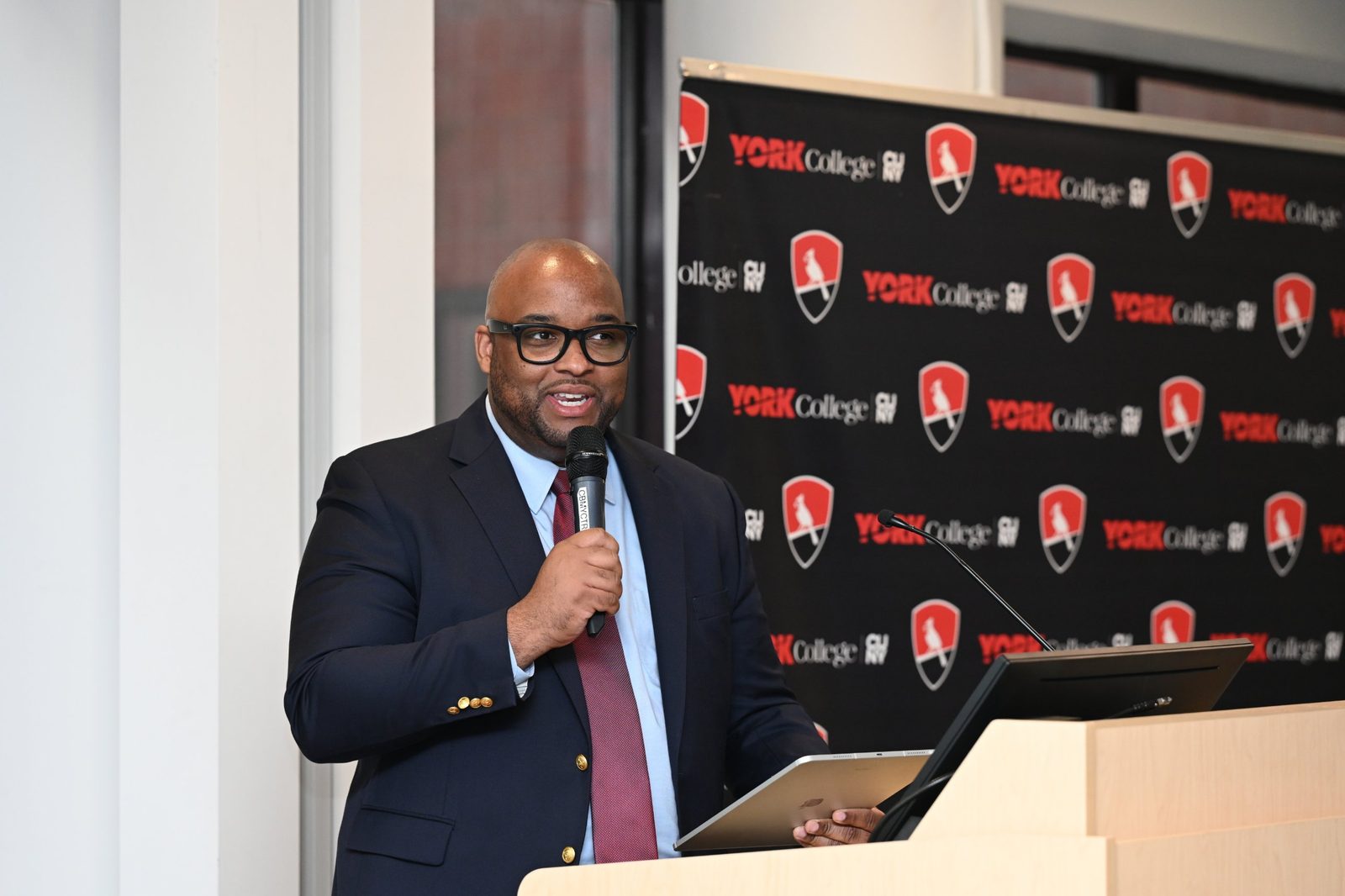
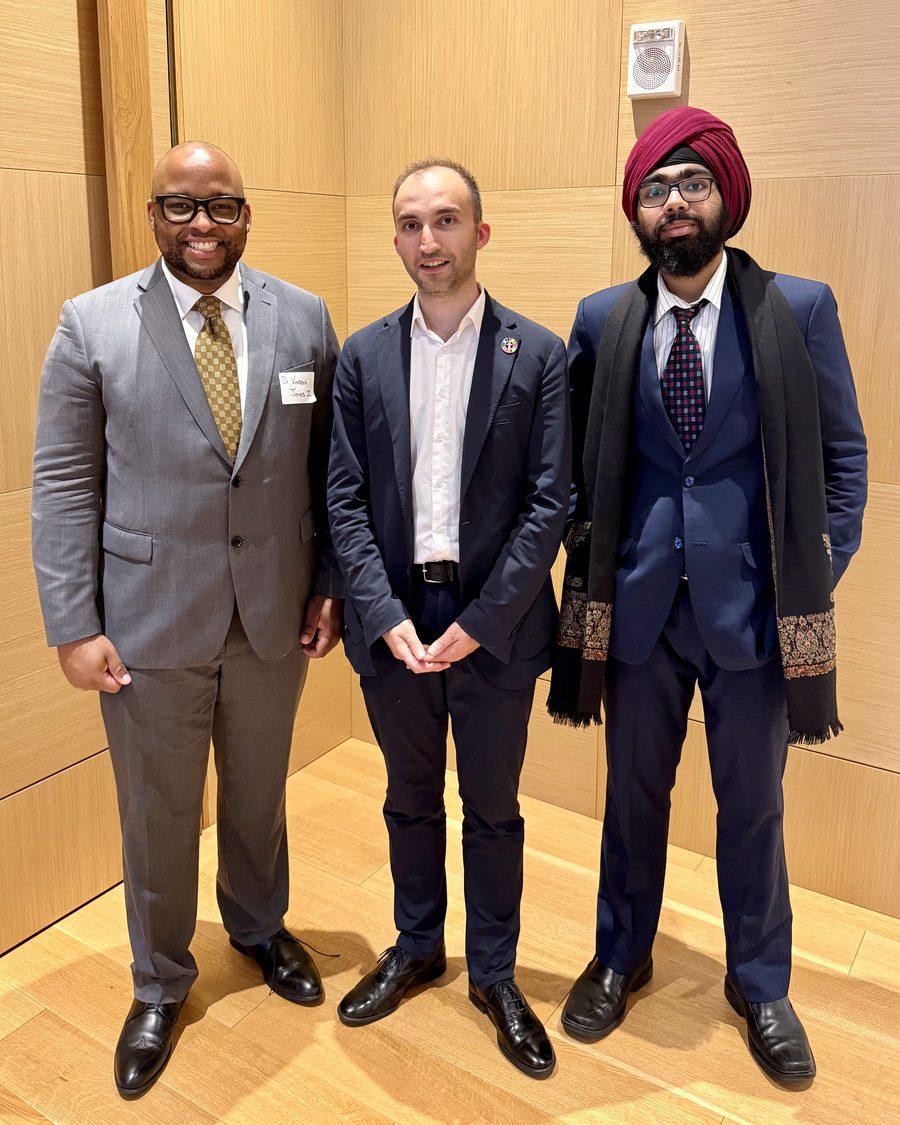
Before an audience of diplomats, scholars, faith leaders, and youth advocates, Dr. Jones argued that dating app safety belongs to public policy, education, and platform culture rather than to personal responsibility alone. Drawing on his team's harm scale, their review of North American platforms, and the gap between how often harms occur and how much they hurt, he set out five priorities: transparency about what happens after a user reports harm, safety features that are not sold by subscription tier, dating app safety in health education curricula, policy designed with the people most affected, and accountability for the user cultures platforms cultivate. The panel was moderated by the Sikh Human Rights Group.
A 30-minute talk built around five questions: what actually happens on dating apps, why we didn't know, whether people can just block and report, who gets hurt the most, and what actually protects people. The session opens with a live audience poll and closes with a hands-on activity in which attendees take the place of a dating app user, read two conversations, name the harm, and choose a response.
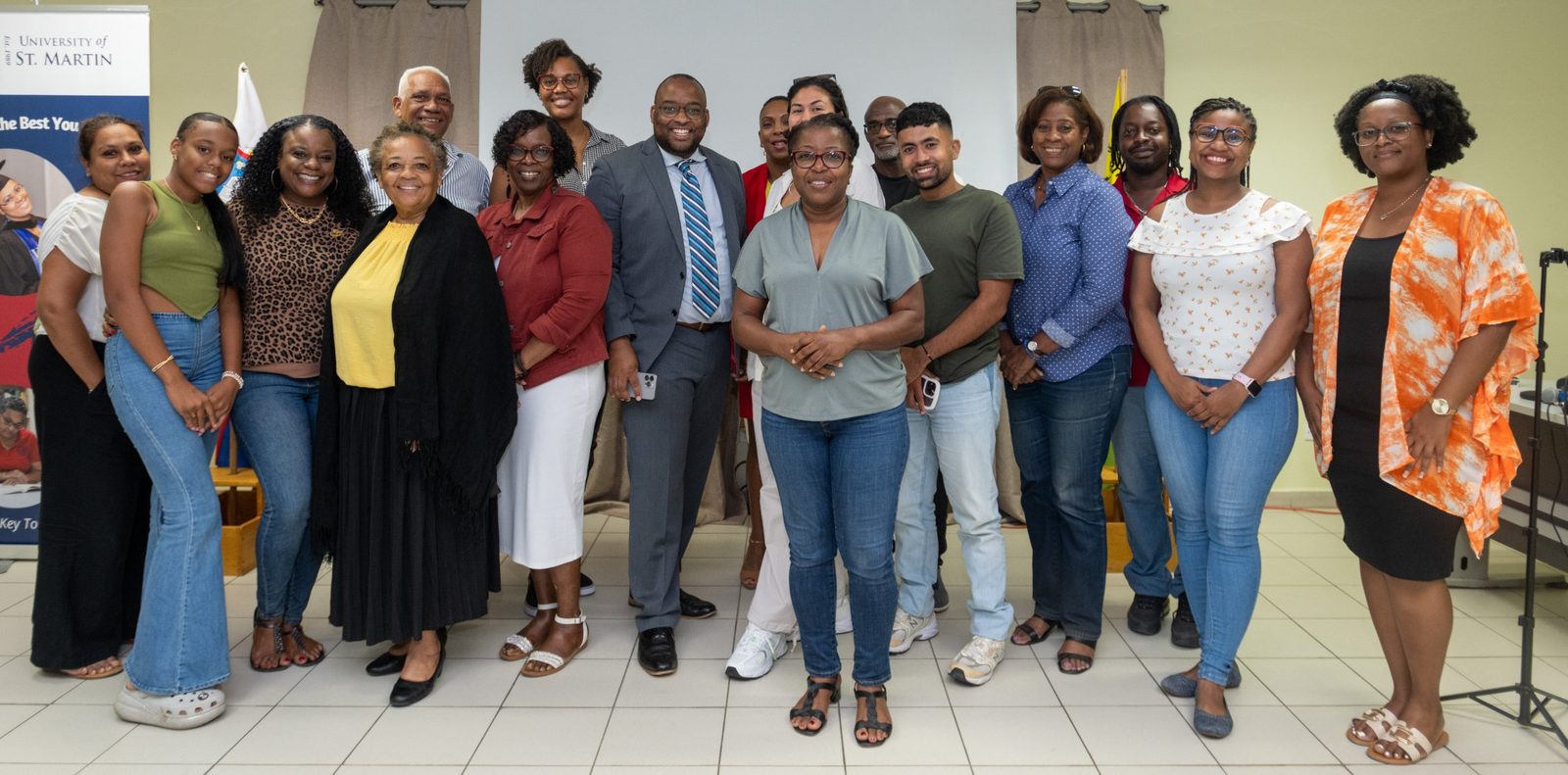
A free evening workshop, open to the public, for University of St. Martin students, faculty, and community members on using social media research to improve community welfare: gathering data, analyzing trends, and turning findings into positive change. Participants practiced turning their questions into testable social research questions, explored observational methods for studying online spaces, and either chose a topic of their own or joined Dr. Jones’s ongoing research.
University of St. Martin announcement → · Coverage in Soualiga Newsday →
Available for keynotes, panels, workshops, and academic conferences
Book Dr. Jones for Your EventAn exploration of how dating app users develop safety strategies through shared experiences and peer education, highlighting the gap between platform policies and user needs.
Read Article →A critical examination of how commercialization and tourism can erode historically queer spaces, and what it means for LGBTQ+ community safety and belonging.
Read Article →For speaking invitations, media inquiries, and research collaboration, write to Dr. Jones directly.
vjones1@york.cuny.edu